
Who Pays for Your Authenticity?
Honne, nunchi, and the hidden cost of “just being yourself”

I’m at a huge dinner with 130 delegates from around the world at the end of a long day of meetings. I am wearing a mask with a permanent smile on it.
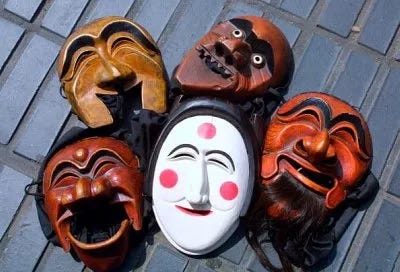
I shake hands with some and hug others. We’re friendly. Many of them are people I truly like.
It would be a burden to them to know that I’m exhausted and my back is killing me. I absorb the discomfort so the group doesn’t have to.
It’s important to maintain the harmony of the event. I don’t get paid to be honest. I get paid to be efficient and friendly.
Three hours later, back in my room, I take off my makeup and flop down on the bed. This is my honne face. The true me. I finally show my pain and stop smiling.
I love the job but not being authentic for 12 hours takes a toll on you mentally and physically. I’ve been dying to rub my neck and shoulders all day. I would have skipped dinner for some sleep.
But my authentic feelings would have had to have been absorb by the others. That’s not part of my job.
Our identity is layered. We show different selves to different people.
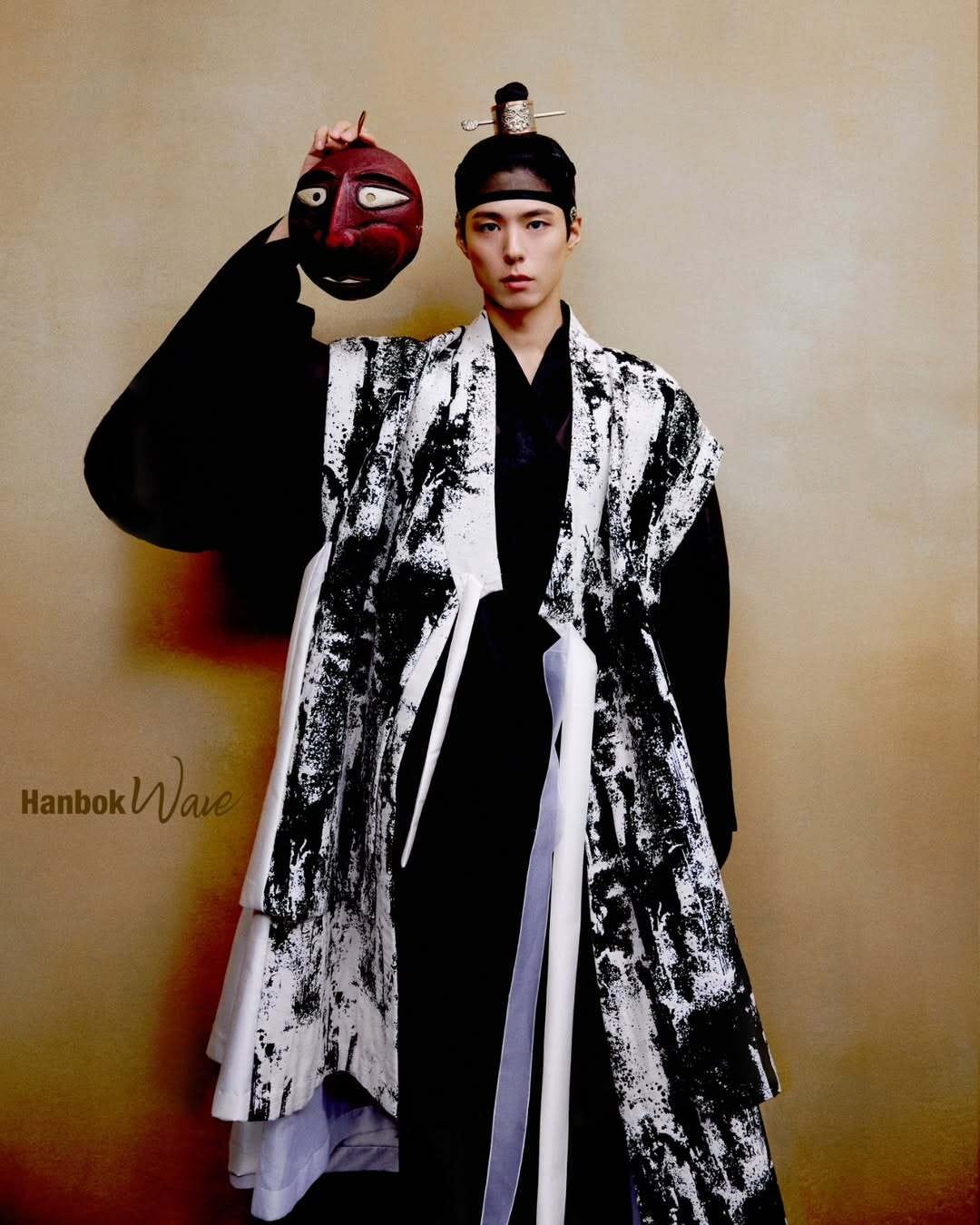
Diplomacy and parenting seem worlds apart, but the same rule operates in both: someone must carry the emotional burden.
Different cultures solve the same problem differently: where does the emotional burden go?
At a restaurant, one woman says to another, “I’m sorry if this sounds harsh…” (Oh, boy, here we go…) “…but if my kids want to run around the restaurant, what do you want me to do?! They’re kids, for heaven’s sake!”
The woman is being authentic. And she’s redistributed inconvenience.
Authenticity is not neutral. It costs someone something.
Freedom is sacred.
Freedom we offload onto others is a transfer they didn’t ask for. I’m not free to transfer MY freedom to your emotional, mental, physical bank account.
The Three Faces of the Japanese. We All Wear Them.
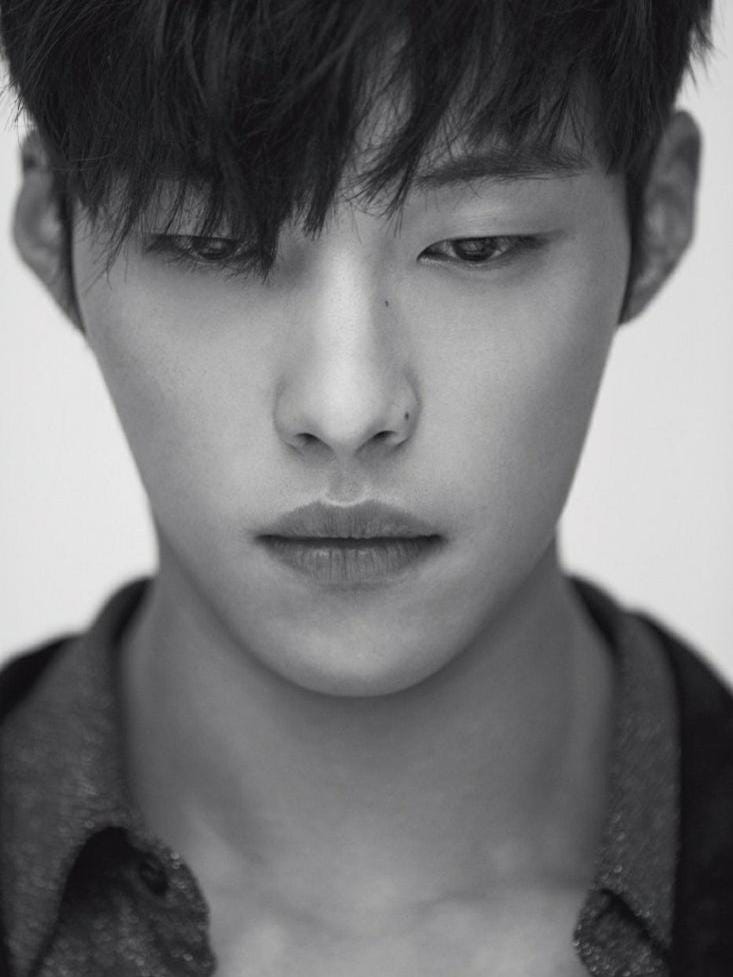
Japanese wa or harmony is the practice of maintaining stability in society. Three faces are necessary to maintain harmony.
Tatemae, the face we show the world. The intimate face, for friends and family. Honne, our true thoughts and desires.
We change faces to avoid offending, be considerate, maintain peace, avoid losing allies and friends.
I’m Just Being Me
Modern culture often collapses the three faces into one and calls that integrity. A right everyone is entitled to. In an ideal world, it would be OK to say:
“I’m just being honest.”
“Just being real.”
“I don’t filter myself.”
Authenticity culture pushes emotion outward. Someone else absorbs it.
If I’m authentic, I’m going to say things that are going to offend someone. Here, hold this burden of authenticity for me. Oh, did I offend your spiritual beliefs? Your dignity? But I was just being me.
Now my emotions live in someone else’s mind. They’re someone else’s burden now.
The Art of Living in Society
In a collectivist society like Korea’s, an individual’s mistake isn’t just their own; it ripples. If you’re loud on a bus, just “being yourself,” you’re stealing the peace of 40 people.
I’m on a train from Seoul to Busan. I open Instagram and forget to turn the volume down. A post blares k-pop and the steward runs to me and tells me to use earbuds. I forgot to read the room.
People are on the train going to work or sleeping or working and I’m over here having a social media party. Soooooorry! I’ve placed the burden of having to scold me on this man. I have annoyed all those sitting in the same area.
Nunchi, Korean for “reading the room,” is a skill that allows us to be considerate of the feelings of others.
To force someone to ask you to stop doing something annoying is a failure of your Nunchi. You have placed the “burden of confrontation” on them.
Consideration for others includes understanding that everyone carries hidden struggles that we don’t see. One of their three faces is protecting a struggle, a health problem, or a financial worry.

However, harmony systems are not free. Chronic suppression can lead to stress, somatic symptoms, indirect aggression, or displacement.
Emotions don’t disappear. They move. The system just decides who carries them.
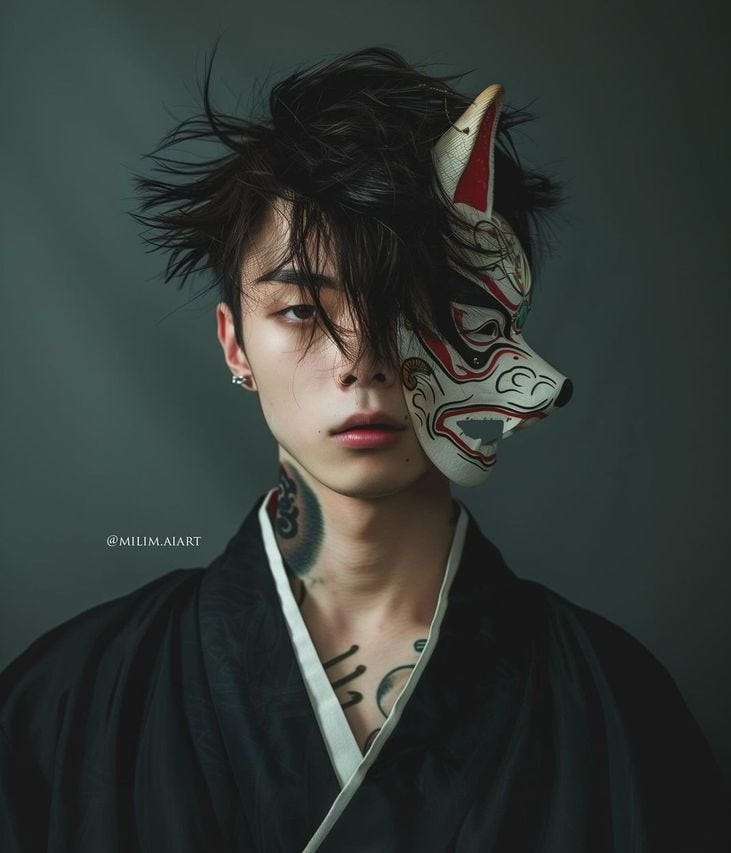
After a full day of work, the boss invites his team to dinner. The mask must stay on for a few more hours. It’s just dinner, but it feels like work. So today you work 12 hours plus commuting time.
You get in your car and drop the mask. The smile comes off, the anger of being obligated to attend a team dinner is evident. Your phone rings. Your partner. You don’t pick up. This is not the right time for loving words.
Unfortunately, your partner is going to carry your silence for a while. Emotions don’t disappear, they move somewhere.
Face: Saving It, Losing It, Having It
The concept of face refers to social standing, dignity, honor, and reputation. Causing someone embarrassment is to make them lose face. To avoid burdening them is to protect their dignity.

Say I decide to let my warm Latin style out. I hug a Korean I only know superficially.
In some contexts, like parts of East Asia, unsolicited hugs can feel less like warmth and more like crossing a line. I have lost face by placing the burden on them of being embarrassed.
Have you ever told a "kind lie" not to save your own skin, but to save someone’s face (pride)? “Oh, my goodness, did I just kick you under the table?” Me: “No, no, you must have brushed the leg of the chair.”
Why burden someone with embarrassment or loss of face?
Authenticity is not the absence of restraint. It’s the wisdom to know where and with whom to remove it.
When you insist on being yourself, someone else is doing the emotional labor of absorbing you.
People don’t always say anything.
They just remember how they felt around you.
And adjust accordingly.
Subscribe for free to receive new essays, or become a paid subscriber to receive the Sunday post.