
You Don’t Become Someone Else All At Once
The Hermit Kingdom and the fear of what happens when you let the outside in.

A friend asks, “Would you really move to Korea?” I ask him what HE thinks. “Yeah, you would.” As fast as I could pack! “I thought you were a hermit.” LOLZ! I am.
“What about the language?” Whatever I don’t understand, I can handle with a translation app. “And your dog?” He’s coming with. “What about your apartment?” Maybe I’ll just rent it out so I have extra income. “Wow, you’ve really thought about this, haven’t you?” You betcha!
There are areas of life where I don’t like the unknown or even change: schedules, my beverage at Starbucks, my diet. But moving to Korea would be an improvement, why would I hesitate?
But I’m no dumb dumb. I’m not packing my stuff and just leaving. What my friend doesn’t know is that I would be moving with savings, an income, and assistance from the Korean government due to being a direct descendant of two patriots.
If you were to ask me if I would move to Paris tomorrow…that would be a whole other ball of wax. Nope. Not without some serious logistics and financial freedom in place.
Moving to Korea would be a marked improvement. Because not all unknowns feel the same.
Some feel like going from being a hermit to being a hermit in the right hermitage.
Some feel like expansion. Other’s feel like recovering something you lost before you were born.
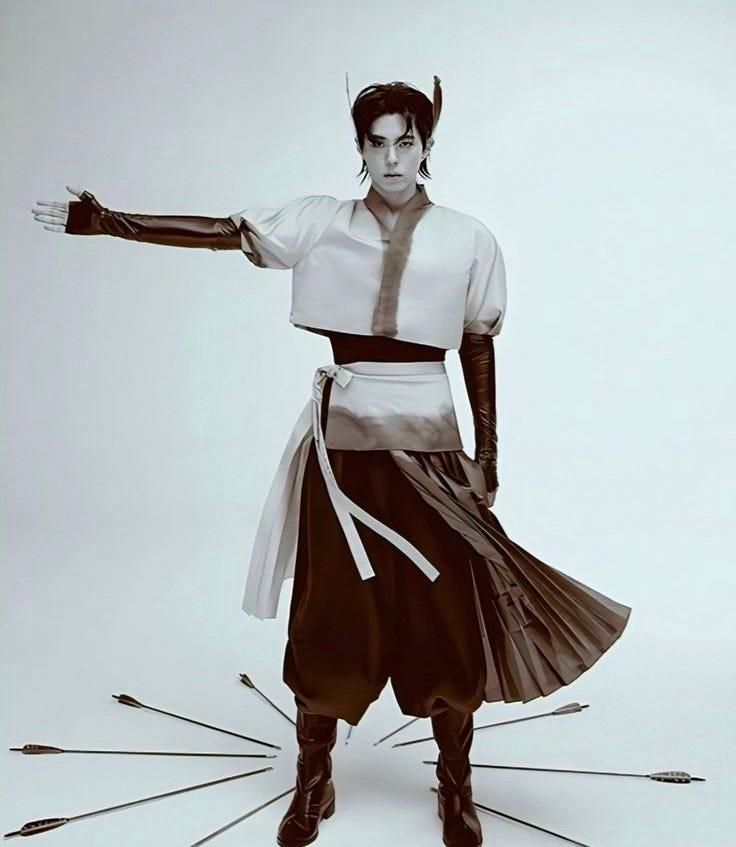
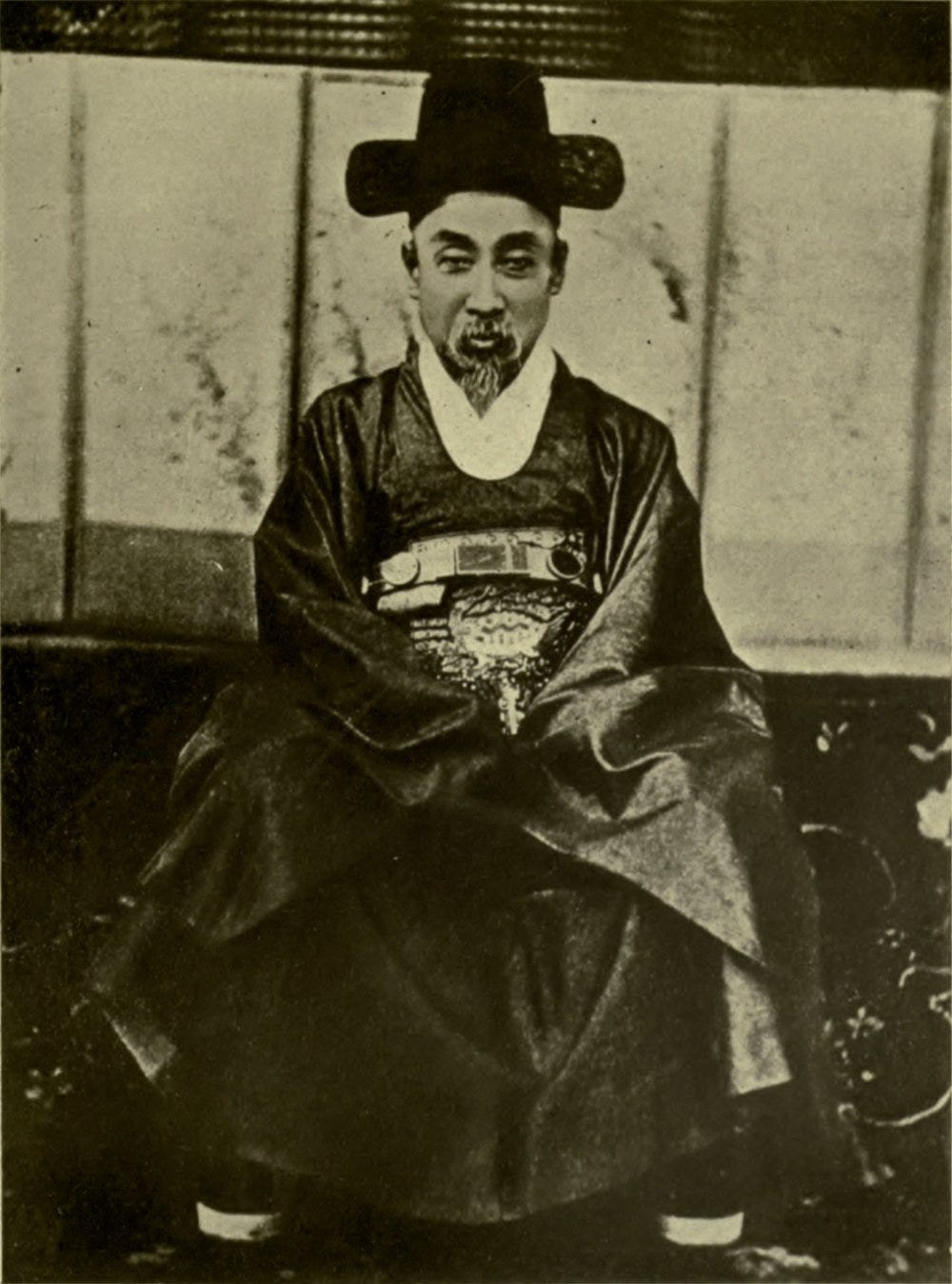
The phrase “the hermit kingdom” was popularized by American author William Elliot Griffis in his 1882 book, Corea: The Hermit Nation.
When Gojong was crowned king at the age of 12, his father became regent1 or Daewongun.
He pushed the “hermit” policy of no treaties, no trade, no Catholics, and no West. He believed that if you accepted a Western God, you would eventually accept a Western King.
He conducted a persecution of Korean Catholics that resulted in the massacre of ten thousand men, women and children.
His attacks on the Catholics came to the attention of the French and a squadron of French Navy vessels moved against Joseon in 1866.
The Joseon army was able to drive them away, but the door to the outside was opened, and remained open.
Someone Kicking Down the Door to Your Life
The Joseon Dynasty’s isolation was only from the West, not from reality.
It wasn’t paranoia. It was a calculated decision based on what was happening in China and Japan, whose doors had been forced open by the West.
Koreans didn’t close the door because they were afraid.
They closed it because they understood something we don’t like to admit: who you let in will eventually shape what you become.
I go on a date with a man who seems perfectly normal and soft-spoken. I open the door to the hermitage.
It turns out he’s anti-science and anti-history.
I take him to the Museum of Anthropology, one of the best in the Mexico. We see skulls found here from different anthropological eras. He smirks (BIG mistake…no nunchi) and says, “You DO know those were planted, right?”
So many things bother me about that sentence.
But most of all, I’m upset that I opened that door myself.
We go to lunch but I’ve mentally shut the door and doubled locked it. It’s a Japanese restaurant. The server brings out plates and chopsticks. Skull boy asks for a fork.
“Would you like to learn how to use chopsticks? It’s easy, look…” I say. He replies, “I don’t need to use chopsticks, I’m American.”
In my mind, a dozen monks are nailing the doors to the hermitage shut permanently.
I wondered how long I had ignored things I should have noticed earlier.
In the modern world, the outside doesn’t always arrive with armies.
It arrives quietly.
Through what you scroll.
Through what you start normalizing without noticing it’s happening.
You just start agreeing with things you wouldn’t have tolerated before.
In my case, the prehistoric skulls was not the first red flag. They were just the first one I couldn’t ignore anymore.
Who you let in will eventually shape what you become.
The Daewongun feared not just invasion. He feared outside influence.
Different belief systems.
New values. Or the lack thereof.
New ways of seeing yourself.
He wasn’t just trying to keep people out.
He was trying to keep Korea… Korean.
Invasion of the Hermit Kingdom
The Daewongun had been right about one thing: opening the doors to the Kingdom an inch, would lead to them being kicked in by foreigners.
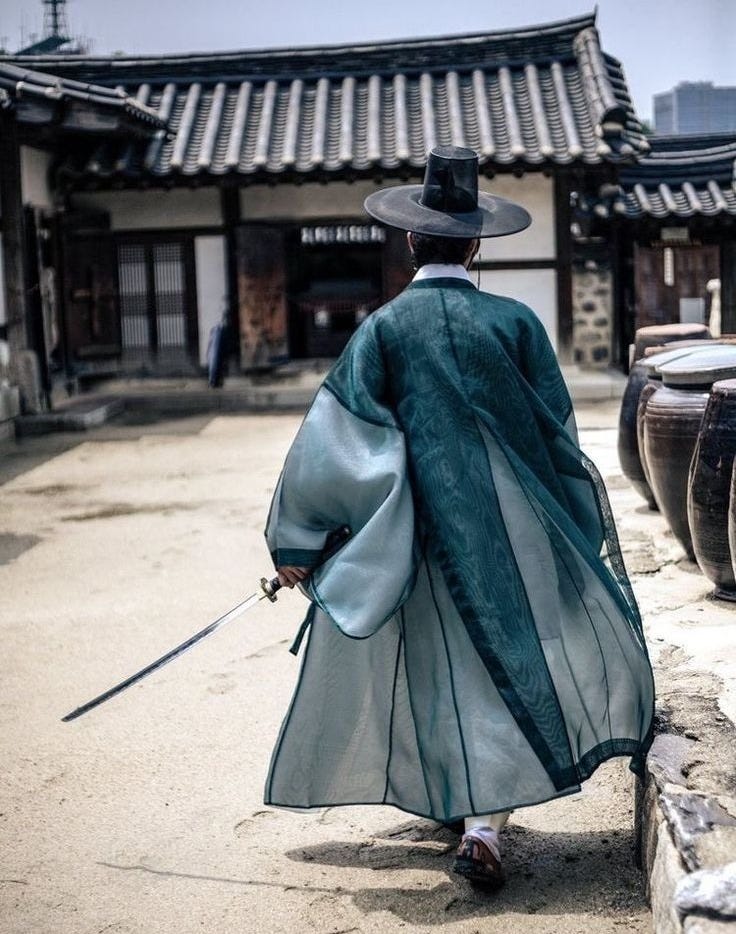
In 1910, Japan annexed Korea to Japan.
People inside the system opened the door.
And once it was open, control was gone for the next 35 years.
Losing Your Identity
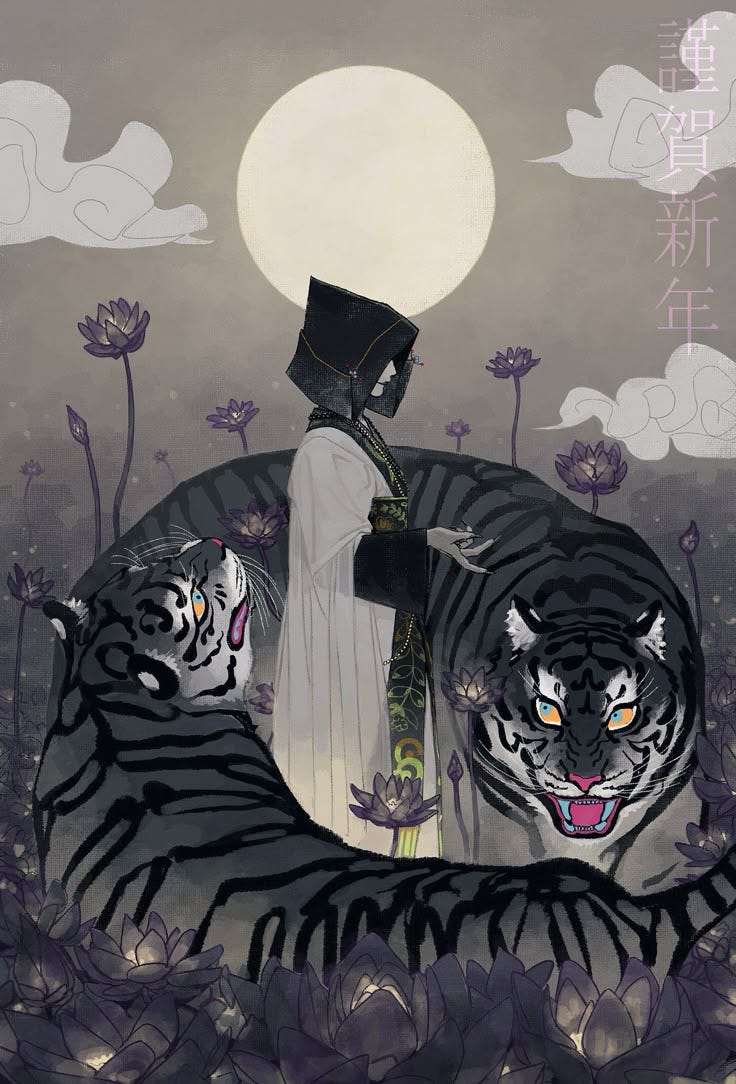
Guess what was the first thing the Koreans lost?
Their language and their names. They were legally obligated to learn Japanese and to adopt a Japanese name.
The Daewongun had been right.
My great-grandfather and mother and my grandfather no longer had a nation to return to. They were trapped in Mexico, stateless.
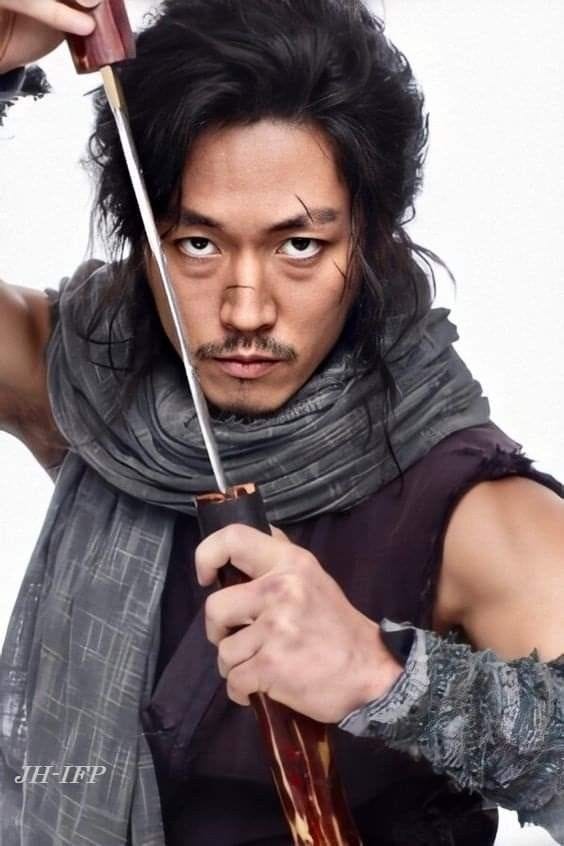
Most of us don’t lose ourselves loudly.
We lose ourselves by adjusting. By tolerating. By letting things in we never meant to.
Sometimes, the best you can do is to keep the door closed until you are strong enough to greet the outside on your own terms.
Fear is not always irrational.
Sometimes it’s protective. Prophetic.
Finding the Right Moment to Open the Hermitage
You don’t lose yourself all at once.
You lose yourself slowly… and by the time you notice, you’re already living someone else’s version of your life.
The Hermit Kingdom wasn’t just afraid of the outside.
It was afraid of disappearing.
Take a second.
Look at what you’ve let in.And ask yourself if it still belongs there.
A Regent ruled when his or her son was crowned king when he was still a child.
One of your best. I'll still be following you when you return to Korea :-) If I were you, I'd do it!
This is a compelling blend of personal narrative and history. The parallel between Korea’s guarded past and the quiet ways we absorb influence today is especially striking. It raises an uncomfortable but important question, how much of what we’ve become was consciously chosen, and how much simply slipped in unnoticed?