
The Problem With Bringing the Street Inside
What shoes-off cultures understand about the nervous system

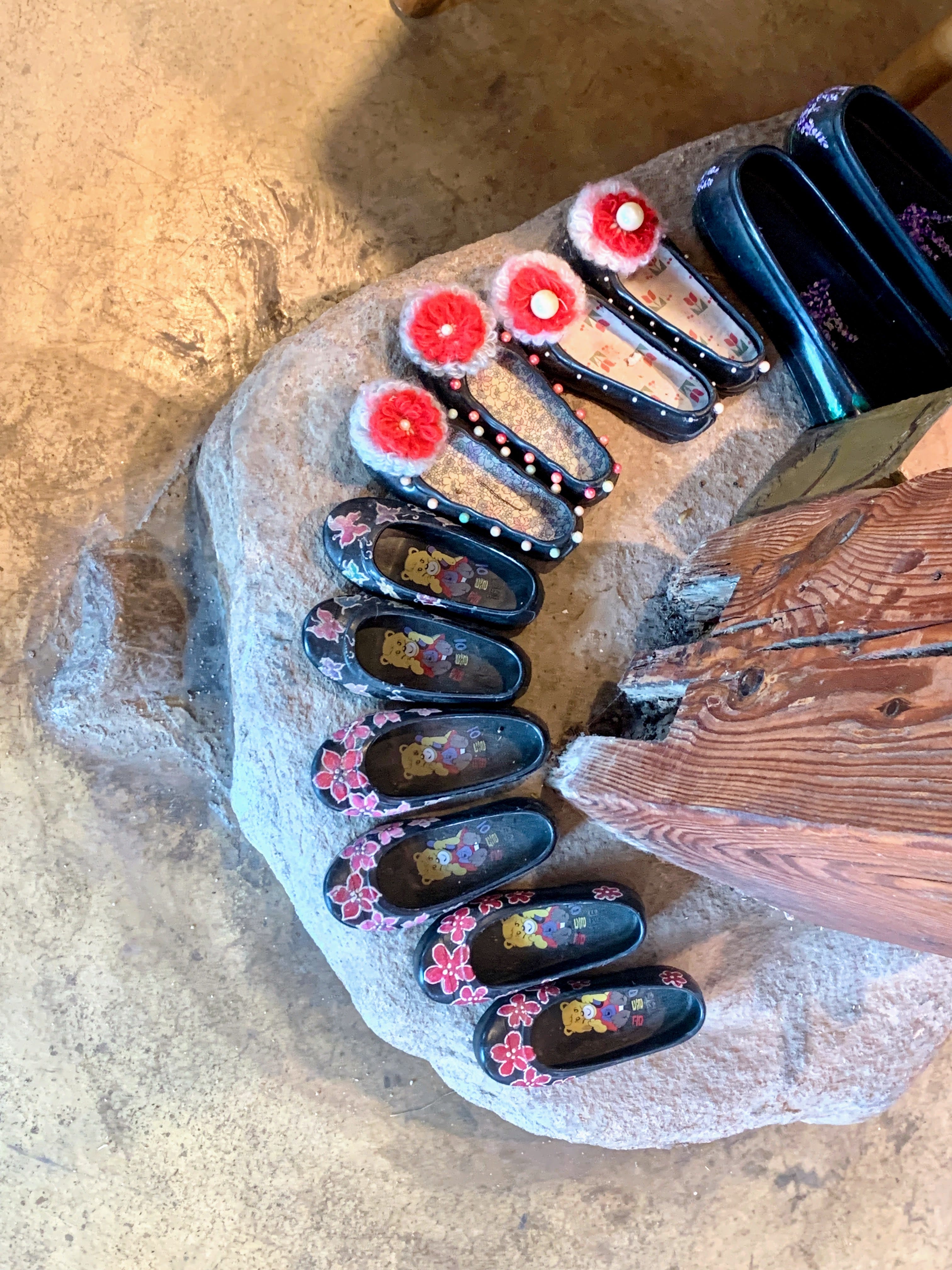
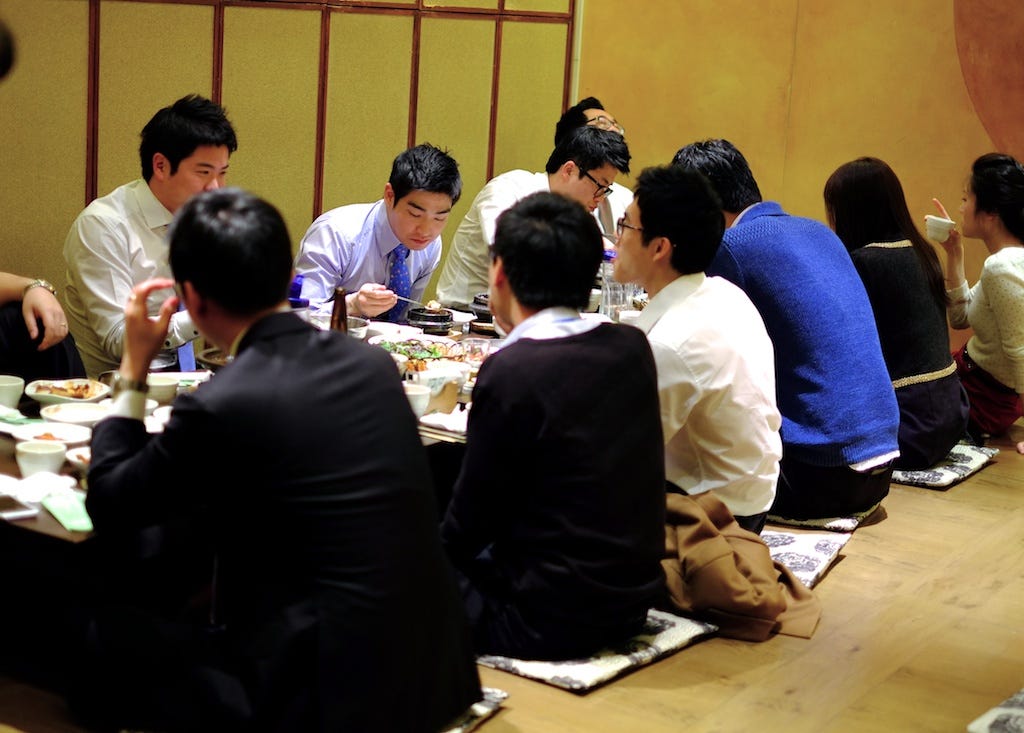
I’m in Korea for work. My boss and his group are invited to have Korean BBQ at a traditional restaurant. We’re told to leave our shoes on the step that leads to the private dining area and we’re given slippers to wear.
My boss saw the table and the cushions on the floor and frowned. He’s got bad knees. The restaurant staff saw our shoes and ran to protect their sanctuary.
To me it makes sense that you’d want to keep the floor clean if you’re going to sit on it and have your food served close to it.
Where the World Was Supposed to Stop
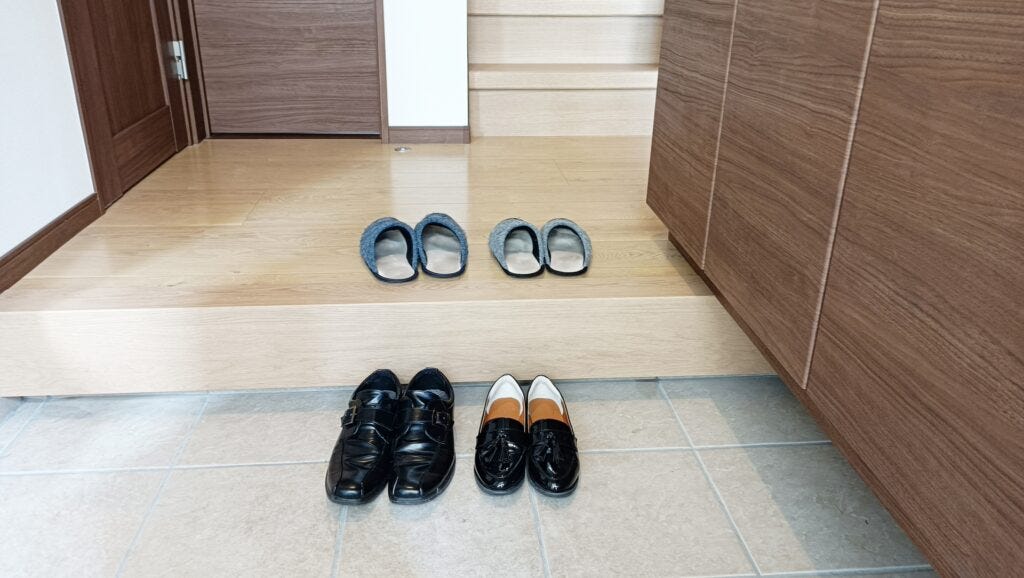
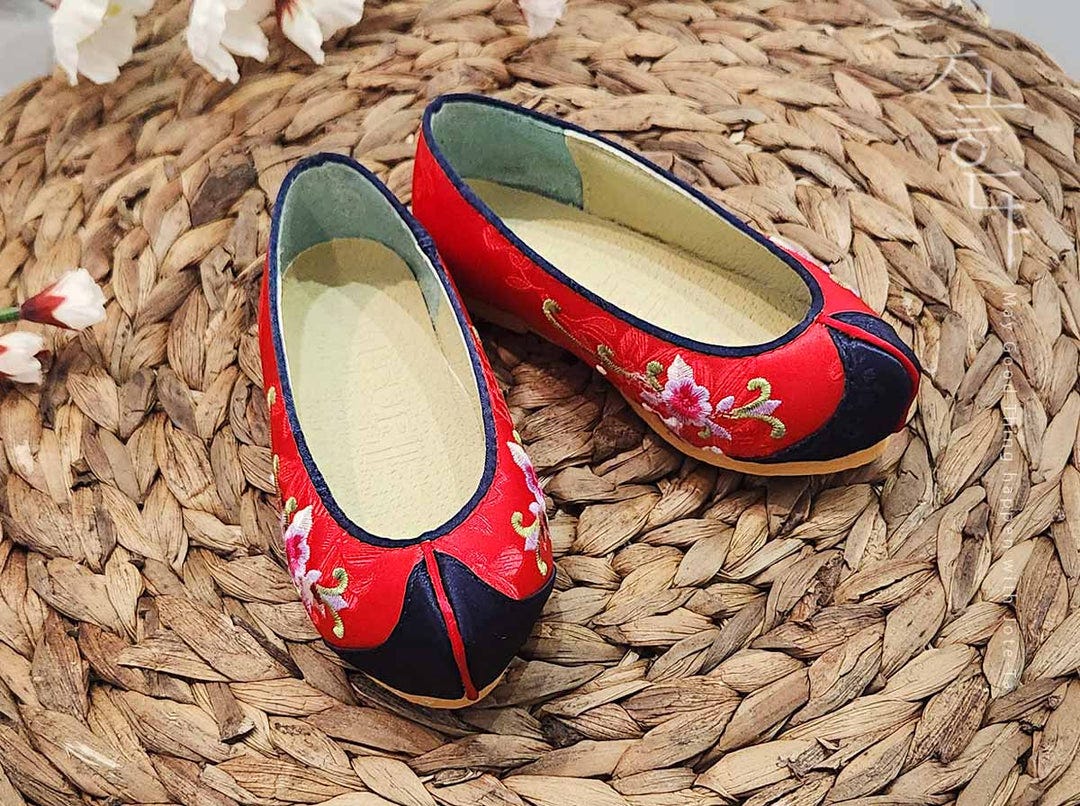
The photo below shows a small step that divides the outside → inside, public → private, social self → real self areas. When you get home, that one step reminds you to pause. You do not carry everything inside.
There’s a mental distinction between the “dirty” public world and the “pure” private sanctuary. The genkan (Japan), hyeongwan (Korea) or recessed entryway is a physical and symbolic transition zone where you take off your shoes and leave the world outside.
The Floor-Centric Life of Korea and Japan
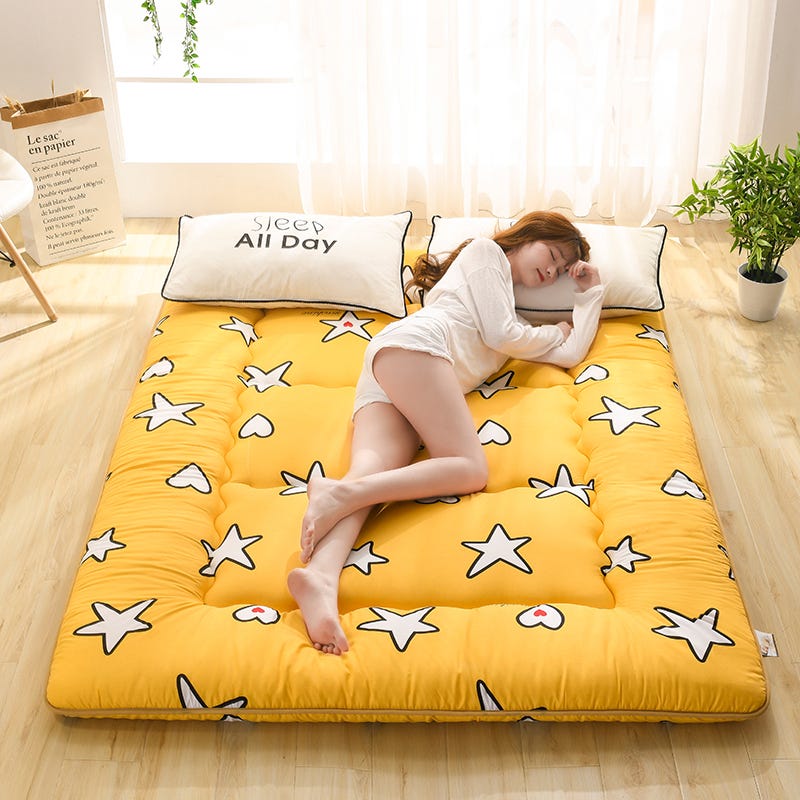
Korean and Japanese homes are designed for sitting, eating, and sleeping on the floor (using floor cushions or futons). Taking your shoes off prevents tracking in street grime, and bacteria to the surface where your face and body rest.
Both countries are have long rainy seasons. Entering your house with wet or muddy shoes would ruin the Japanese floor mats or the Korean wood flooring.
Mental & Emotional Dirt
Most of us would never walk across our bedsheets in muddy boots, yet we track the social trash of the office directly into our homes every night.
What should be left in the entryway along with our shoes? The dirt we carry in our nervous system. We walk in with anger, frustration, stress, and anxiety…everything toxic enters our home.
In Confucian Korea, it is believed that disorder spreads, that enters the home affects the whole household.
What if we left all this toxic material at the door and not carried the street into the house?
We don’t arrive home mentally clean. Whatever we stepped in all day does not belong where people sleep.
Establishing a ritual that tells our nervous system: you are safe now, would keep our mind, spirit, and home cleaner.
Those we live with wouldn’t have to deal with our anxieties, anger, and dirt. They would, for the most part, deal with a serene member of the household. Keeping the street out of the house is a form of respect for the people we live with.
Boundaries protect the collective, the emotional infrastructure of the entryway step is self-care and care for those who live with us.
What shoes-off cultures understood wasn’t just cleanliness. It was how to help the nervous system stop carrying the world.
The rest of this essay explores how that shift actually happens, and what we’ve lost without it.
